More Than Just a Melody
In the world of Dungeons & Dragons, a name is rarely just a label—it is a story. But for elves, this is doubly true. An elf’s name is a complex tapestry woven from their history, their family lineage, and their personal journey through centuries of life. Unlike humans, who might keep the same name from birth to death, elves view names as fluid things that evolve as they do.
If you are struggling to name your new Ranger or Wizard, you aren’t alone. Capturing that perfect balance of ethereal grace and ancient power is difficult. This guide will walk you through the life-cycle of elven naming conventions, the linguistic differences between the sub-races (High, Wood, and Drow), and provide you with the tools to build a name that truly fits your character.
Need a name fast? Try our Elf Name Generator for instant inspiration.
The Elven Naming Life-Cycle
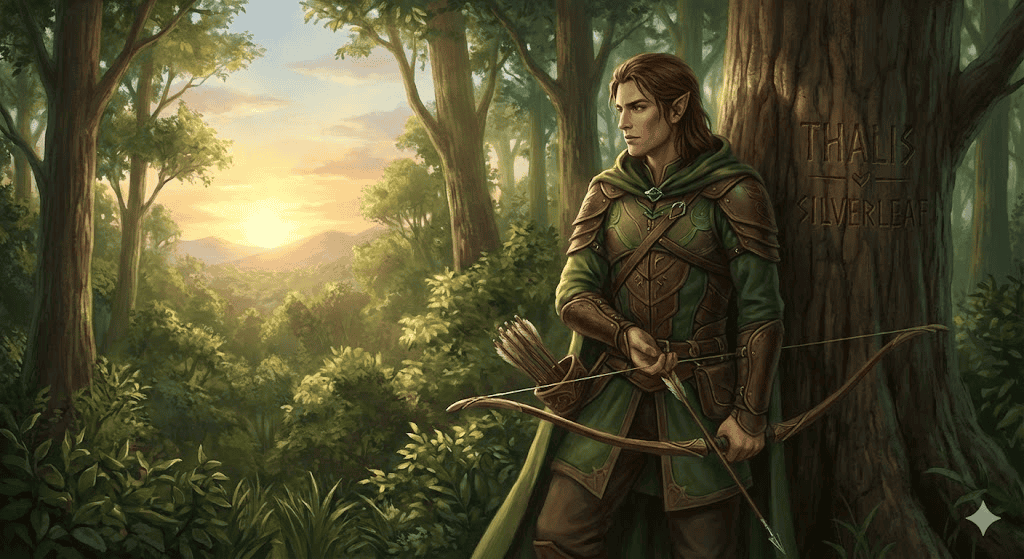
To understand how to name an elf, you must first understand when they are named. In traditional D&D lore (and heavily inspired by Tolkien’s traditions), an elf does not have one single name. They have a sequence of names that mark the stages of their long lives.
1. The Child Name
Elves are considered children for a very long time—often up to their 100th birthday. During this century of adolescence, they are given a Child Name by their parents.
- Characteristics: These names are usually short, diminutive, and gender-neutral. They often sound affectionate or descriptive of a small, precious thing.
- Usage: Used only by family and very close friends. If an adult elf reveals their child name to you, it is a sign of immense trust.
- Examples: Ara, Bryn, Del, Eryn, Faen, Iil, Lael, Mella, Nail, Phann, Rael, Rinn, Syll, Thia, Vall.
2. The Adult Name (Chosen Name)
Around the age of 100, an elf declares adulthood. This is a momentous occasion, often marked by a ceremony where they publicly abandon their child name and declare their Adult Name.
- Characteristics: These names are longer, more melodic, and unique. Crucially, the elf chooses this name themselves. It reflects how they see themselves or what they hope to achieve.
- Usage: This is the name they introduce themselves with to the world.
- Construction: These names often use “flowery” vowel sounds (ae, ea, ie) and soft consonants (l, r, th, s).
3. The Family Name (Surname)
Elven surnames are ancient. They are not just family tags; they are translations of ancient Elvish words that describe family legends or feats. When speaking Common (English), elves often translate these into nature-based compound words.
- The Structure: [Nature Word] + [Nature/Action Word]
- Examples: Moonwhisper, Gemblossom, Goldpetal, Oakwalker, Nightbreeze.
High Elf vs. Wood Elf Naming Conventions
While all elves share a common linguistic root, their cultures have diverged over millennia. Your sub-race should heavily influence the “texture” of your name.
High Elves (Sun/Moon Elves)
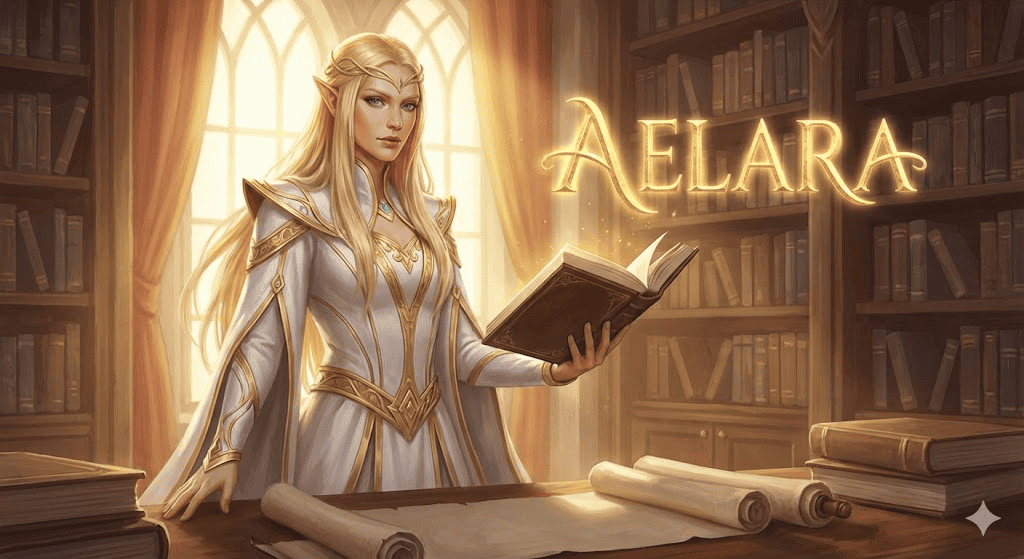
High Elves are often aristocratic, studious, and haughty. Their names sound formal, ancient, and intricate. They prioritize the preservation of the “old tongue.”
- Vibe: Latin or French influences; long, flowing, and sophisticated.
- Common Prefixes: Ael-, Dar-, Hael-, Val-, Zaor-
- Common Suffixes: -ian, -ine, -quinal, -thas, -via
- Male Examples: Aelar, Haelar, Paelias, Thamior, Zaor.
- Female Examples: Caelynn, Drusilia, Lia, Mialee, Valindra.
Wood Elves
Wood Elves are isolationist, grounded, and practical. Their names tend to be shorter, sharper, and more “earthy.” They are less likely to use the high-minded, multi-syllabic names of their city-dwelling cousins.
- Vibe: Welsh or Gaelic influences; shorter, punchier, wind-swept.
- Common Prefixes: Bael-, El-, Fae-, Nae-, Thae-
- Common Suffixes: -on, -us, -ra, -nn
- Male Examples: Aust, Beiro, Carric, Erdan, Ivellios.
- Female Examples: Arara, Birel, Faral, Keyleth, Shava.
The Dark Elves (Drow)
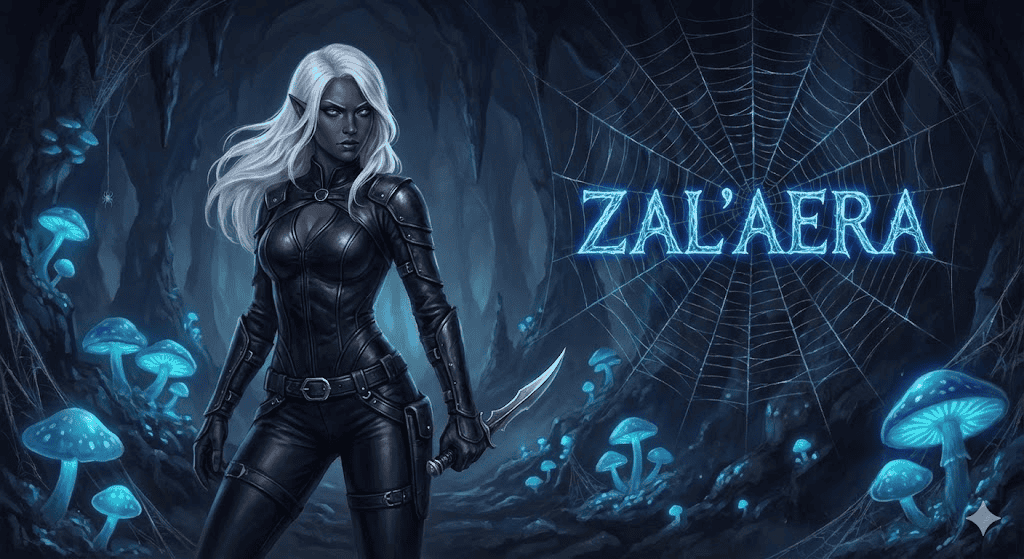
Drow names are a completely different beast. Culturally separated from surface elves, their language (Undercommon/Deep Drow) is sharper, harsher, and often hissing. Their society is matriarchal and cutthroat, and their names reflect this danger.
The Anatomy of a Drow Name
Drow names often feature:
- Double consonants: (zz, ll, nn)
- Hard sounds: (k, x, z, q)
- Apostrophes: Used to denote glottal stops or compound words.
Drow Name Meanings (Prefix & Suffix System)
You can build a Drow name by combining meanings.
- Prefixes:
- Akor- (Beloved/Best)
- Bala- (Burning)
- Dris- (Ash)
- Mal- (Magic/Mystery)
- Xun- (Demon)
- Suffixes (Male / Female):
- -agh / -a (Breaker / Dancer)
- -fein / -fryn (Wizard / Mistress)
- -or / -urra (Killer / Priestess)
- -zair / -zara (Lightning / Storm)
- Example Construction:
- Mal (Magic) + aghar (Warrior/Breaker) = Malaghar (Magic Breaker)
- Xun (Demon) + arra (Queen) = Xunarra (Demon Queen)
50 Quick-Pick Elf Names by Category
If you don’t want to build one from scratch, here is a curated list of names ready for your character sheet.
For The Noble High Elf
- Aethelgard
- Valandil
- Caeldrim
- Lotharion
- Thalandra
- Nyana
- Elandorr
- Faeanna
- Olorin
- Silvyr
For The Wild Wood Elf
- Gael
- Tharivol
- Elora
- Sariel
- Fenian
- Rolen
- Naivara
- Uthemar
- Xiloscient (Goldpetal)
- Heian
For The Mysterious Drow
- Zesstra
- Ryltar
- Ilivarra
- Nym
- Jalynfein
- Drizzt
- Viconia
- Xorlarrin
- Pharaun
- Quenthel
Conclusion: Making It Yours
The best elf name is one that you enjoy saying. It will be spoken hundreds of times at the table—when you roll initiative, when you cast a spell, and when you inevitably trigger a trap. Whether you choose a flowery High Elf title or a sharp Drow moniker, ensure it fits the soul of your character.
Ready to find your True Name? Click here to launch our Advanced Elf Name Generator